


 Back
Back
 Free Delivery With Orders Over €60
 Dispatching From County Louth to NI and ROI
 August Gardening Jobs
Gardening Jobs for April
Posted by Tom Steel on 25th Mar 2026

April is a much busier time in the garden, with longer days, milder temperatures, and often damp conditions underfoot. It’s the perfect opportunity to get beds prepared, sow hardy crops, and encourage strong early growth for the months ahead.
Whether you’re planting vegetables, dividing perennials or supporting pollinators, this blog has everything you need to get started with your gardening jobs this April.
Getting the Garden Ready
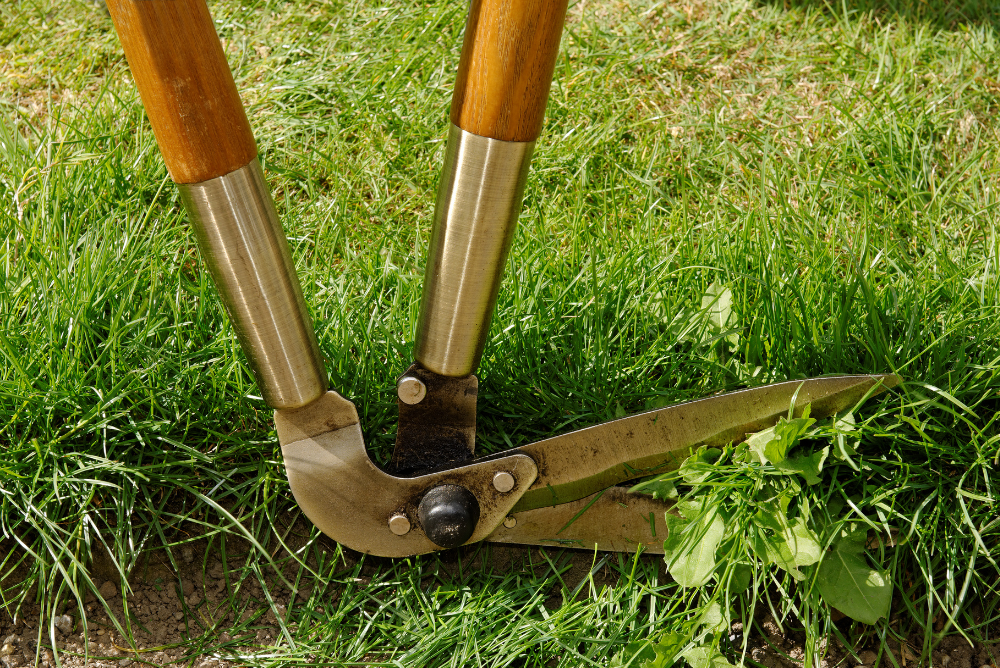
Clear and tidy beds
Now is the time to start removing winter debris and spent bulb leaves. Clearing away old growth not only improves appearance but also reduces places for pests and disease to linger.
Mulch and enrich soil
Add a thin layer of compost or organic mulch around perennials and borders. Doing so conserves moisture, gradually enriches the soil, and helps early growth thrive.
Edge and clean lawns
Define borders with a spade or edging tool and remove accumulated thatch. A neat lawn edge allows young shoots to establish without competition and gives your garden a crisp, cared-for appearance.
Tip: If the soil is damp, you can use a garden fork to lightly aerate borders before mulching - it improves drainage and helps roots breathe.
Soil, Beds & Lawn Tasks
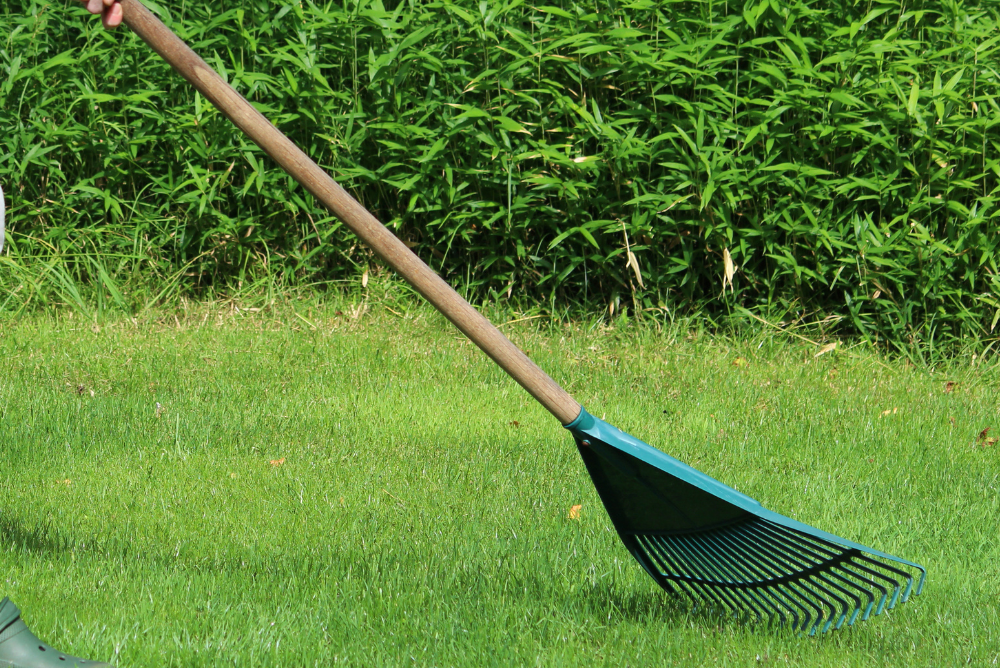
Repair bare patches and rake lawns
Spring is the perfect time to mend bare or patchy grass. Lightly rake the area, sow grass seed and firm gently. Warmer soil encourages faster germination and stronger turf.
Prepare beds for planting
Dig organic matter into vegetable and flower beds. Well-loosened soil ensures roots can penetrate easily and moisture is retained, making your future planting more successful.
Keep weeds under control
Young weeds are easiest to remove before they compete with emerging plants. Regular attention now reduces the effort needed later.
Tip: Hoe or hand-pull weeds in the morning after rain - they come out cleanly and shrivel quickly in the sun.
Planting & Sowing (Vegetables & Flowers)
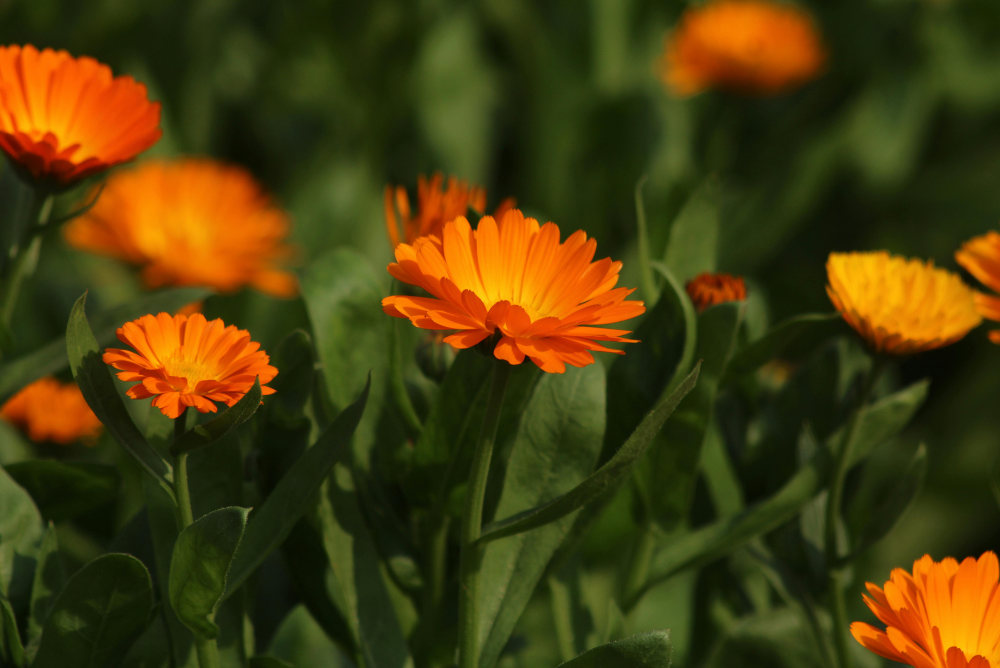
Sow hardy annuals and herbs outdoors
April is ideal for sowing hardy flowers like Calendula, Cosmos and Nigella, as well as herbs such as parsley, chives and thyme. These will establish strong roots and reward you with long-lasting colour and flavour.
Plant maincrop potatoes
Provided the soil is not waterlogged, plant second-early or maincrop seed potatoes with shoots facing upwards. You can earth up as they grow to protect tubers and encourage robust yields.
Sow root vegetables
Carrots, beetroot and parsnips can be sown directly into prepared soil. You should make sure that seedlings are thinned once they emerge, so roots develop straight and strong.
Successional salad sowings
Lettuce, rocket and mixed greens can be sown every few weeks for a continuous supply of fresh leaves. Containers, raised beds or borders all work well.
Tip: Cover freshly sown seeds with a fine layer of compost or horticultural grit to prevent soil crusting and encourage even germination.
Greenhouse & Early Starts

Pot on greenhouse seedlings
Vegetables and bedding plants started earlier in seed trays may now need more room. Gently separate and pot on seedlings to promote healthy growth.
Monitor temperature and ventilation
Warm, sunny days can quickly overheat greenhouses. Ensure good airflow while protecting tender plants on colder nights.
Tip: Rotate seedlings every few days to ensure they grow upright and receive balanced light.
Shrubs, Trees & Perennials

Divide and replant perennials
Crowded or ageing plants can be lifted, split and replanted to rejuvenate growth and create extra plants for borders.
Prune shrubs
After flowering or as appropriate for the species, prune to shape, remove dead stems, and encourage vigorous shoots. Dogwoods and other colourful-stemmed shrubs benefit particularly from careful pruning.
Check garden structures
Inspect trellises, pergolas and arches for stability and make repairs if needed. Proper support helps climbers thrive and prevents damage during wet or windy weather.
Tip: When replanting perennials, gently firm soil around the roots without compacting - this helps water penetrate evenly.
For more on easy-to-grow climbers, check out our blog here.
Spring Wildlife & Seasonal Care

Sow wildflowers for pollinators
Create nectar-rich areas for bees, butterflies and other beneficial insects. Sunny spots with lower-nutrient soil will often give you the best results.
Encourage garden wildlife
Small features such as shallow water trays, early-flowering bulbs, or leaving a patch of unmown grass provide habitat and feeding opportunities for birds and insects.
Tip: Scatter wildflower seeds in irregular patterns rather than straight rows - pollinators are more attracted to natural-looking patches.
Early Pest Patrol

Slugs and snails
As temperatures rise, they become active and can damage tender shoots. Regular inspection and removal early in the season prevent larger problems later.
Monitor for early pests
Soft-bodied pests such as aphids may appear on new growth. Early detection and removal keeps plants healthy and reduces the need for treatments later in the season.
Tip: Check under leaves in the morning when pests are more visible and less active.
New In
Easy-Plant Basket (38cm)
Supplied as 15 inch Hanging Basket
Pack of 1
Shop now
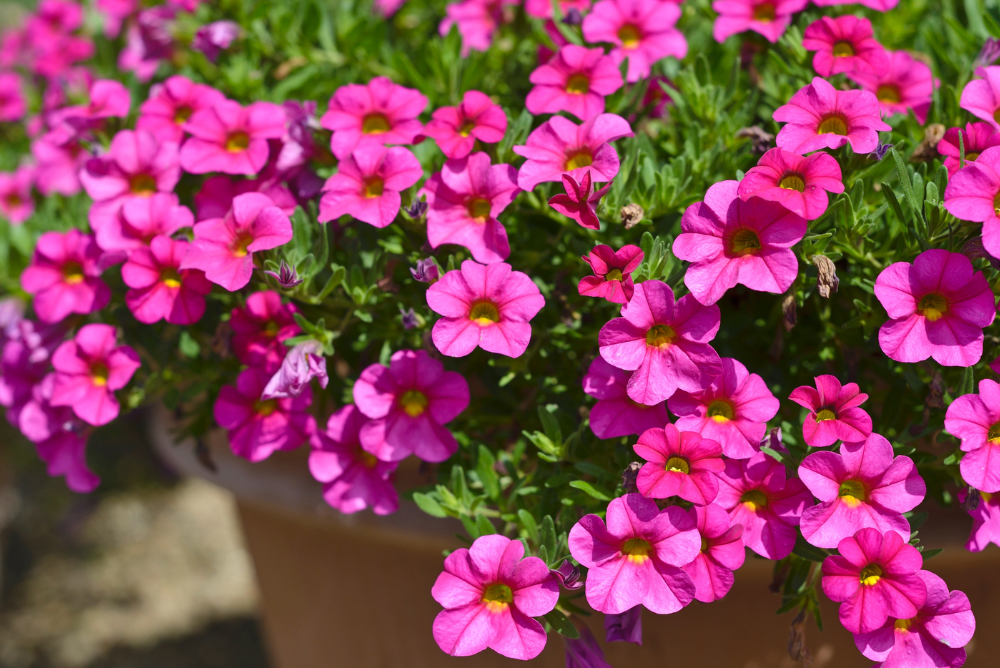
Calibrachoa Calita Bright Pink
Supplied as 3cm Jumbo Plug
Packs of 10
Shop now
SeeddeeS Terracotta Pot – Sunflower Growing Kit
Pack of 1
Shop now
Little Gem Lettuce
Supplied as approximately 200 seeds
Shop now
More monthly jobs
Gardening Jobs for January | Gardening Jobs for February | Gardening Jobs for March | View All Gardening Jobs