


 Back
Back
 Free Delivery With Orders Over €60
 Dispatching From County Louth to NI and ROI
 August Gardening Jobs
Gardening Jobs for May
Posted by Tom Steel on 30th Apr 2026

As the last full month of spring, May starts the transition to summer, so it’s always a busy time for the garden. Capitalising on momentum and the rewards from earlier hard work, planting schemes are starting to fill out, and early crops are establishing well.
By expanding planting, guiding growth, and maintaining balance across beds and borders, we can comfortably be in good shape for summer.
Planting and Establishing Outdoors

Harden off young plants
By gradually exposing these plants to outdoor conditions, you can help prevent shock and encourage stronger, more resilient growth. Place them outside during the day and bring them in at night for several days before final planting.
Transfer bedding and tender crops
Once temperatures are more stable, it’s fine for you to move bedding plants, vegetables and annuals into their final positions. Choosing sheltered spots where possible helps them establish more quickly, especially while root systems are still developing.
Position containers and baskets outside
Filled pots and hanging baskets will add structure and colour to your patios and entrances, instantly lifting the garden as planting schemes begin to fill out.
Tip: Newly planted arrangements benefit from shelter during their first week - wind can be more damaging than cooler temperatures.
Sowing for Continuous Harvests
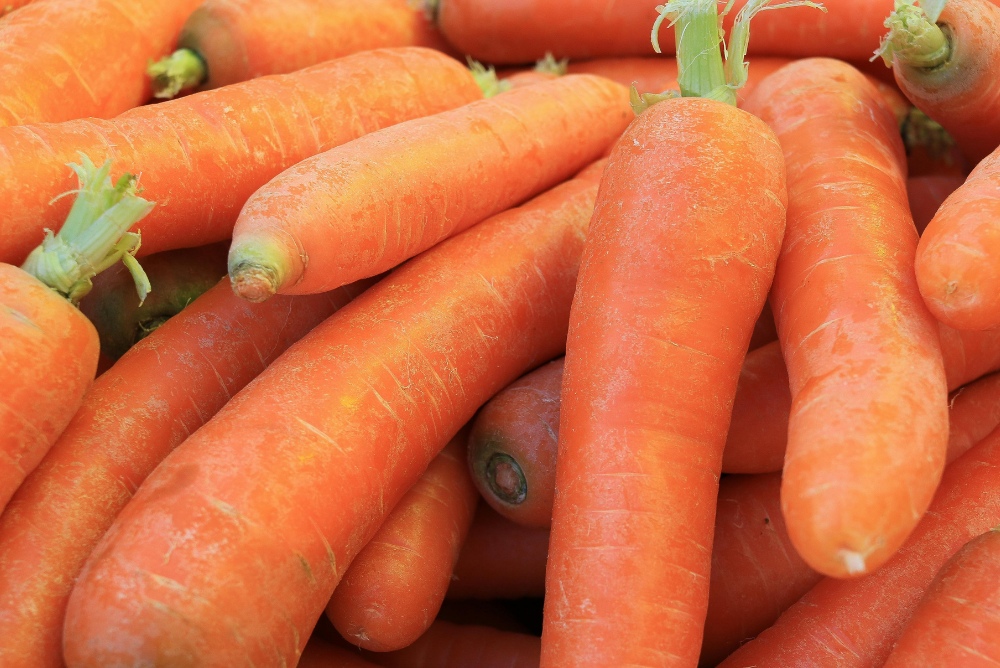
Direct sow root vegetables
Carrots, beetroot and turnips can be sown into finely prepared soil, where they will establish quickly as temperatures rise.
Introduce repeat salad sowings
Small, regular sowings of leafy crops help maintain a steady supply through the season, avoiding gluts and keeping harvests consistently fresh.
Start tender vegetables carefully
If conditions are pleasant, or you have the insurance of light protection for more unpredictable weather, then sow beans, courgettes and sweetcorn.
Supporting Strong Growth

Install plant supports early
Frames, canes or rings should be put in place before plants become tall and unstable, allowing growth to develop naturally around them.
Secure climbing plants
Regular tying-in keeps stems evenly spaced and prevents damage as growth accelerates.
For more on easy-to-grow climbing plants, check out our blog here.
Adjust spacing where needed
You can thin crowded areas or reposition accordingly to improve airflow and reduce competition for light and nutrients.
Tip: Soft ties or garden twine allow flexibility - stems thicken quickly at this time of year.
Managing Soil and Nutrition
Apply targeted feeding
Containers, hanging baskets and fast-growing plants benefit from regular nutrients to sustain performance. Feeding little and often is more effective than heavy, infrequent applications.
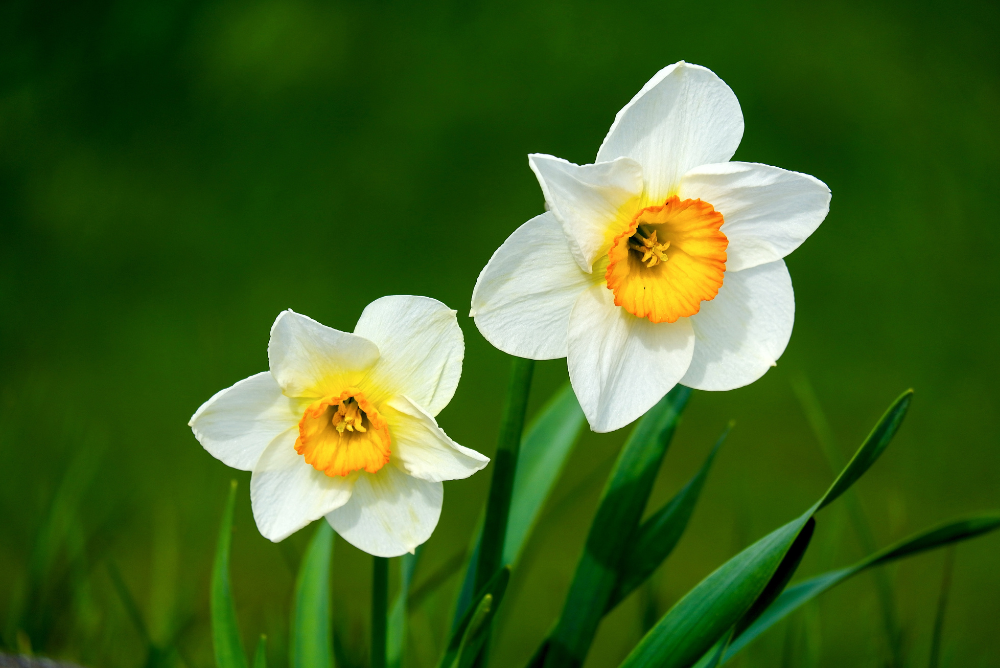
Support bulbs after flowering
Allow foliage to die back naturally while providing a light feed to replenish energy for the following year.
Improve moisture retention
Organic mulch can be spread across borders to conserve water and gradually enrich soil structure.
Watering with Awareness
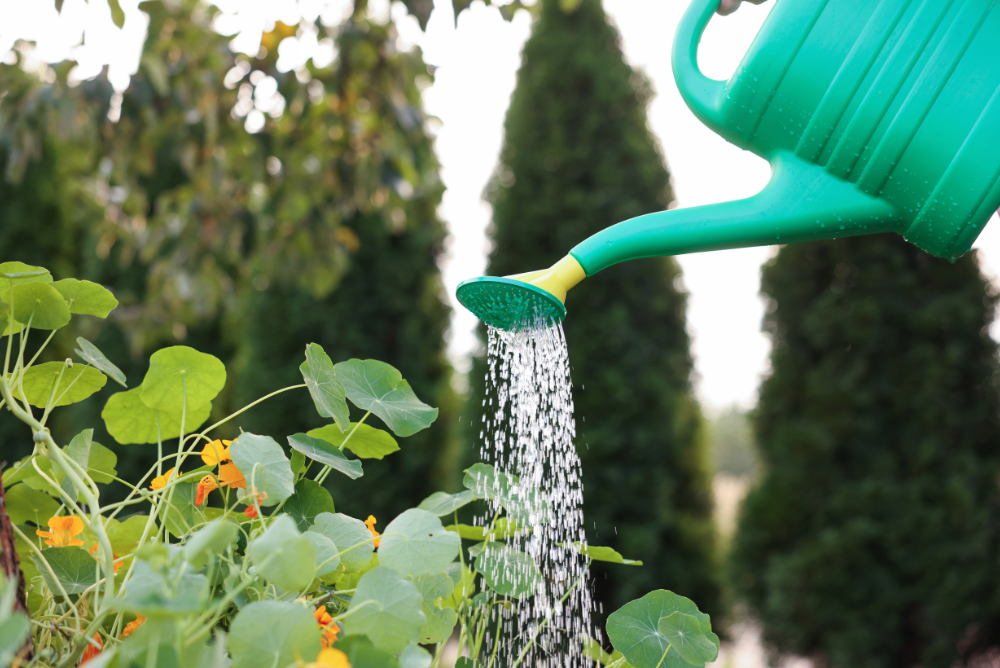
Check soil moisture regularly
Surface dryness doesn’t always reflect conditions below - inspect soil at root level before watering.
Prioritise new planting
Recently planted areas require consistent moisture while roots establish.
Adapt to changing weather
Periods of rain may reduce watering needs, but sheltered spots and containers often dry out regardless.
Tip: Try watering early in the morning to allow plants to take up moisture before temperatures rise.
Lawn Care and Maintenance
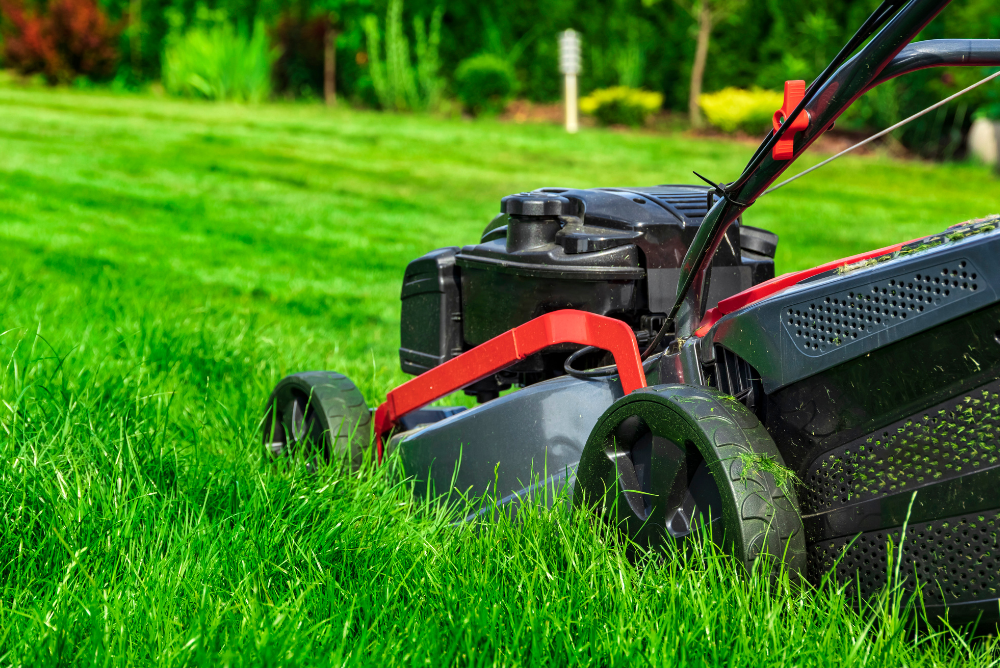
Maintain a regular mowing routine
Frequent, light cuts encourage a dense and even lawn without stressing fresh growth.
Strengthen weak areas
Bare or thin patches can be overseeded to improve coverage as conditions support germination.
Refine lawn edges
Clean, defined borders help prevent grass encroaching into beds and improve overall presentation.
Tip: Slightly higher mowing heights promote deeper roots and better resilience.
Monitoring Pests and Disease

Inspect tender new growth
Young leaves are particularly attractive to aphids and other sap-feeding insects at this time of year, so regular checks help you catch any issues early before they begin to spread.
Watch for slug activity
Damp conditions continue to favour slug activity, especially around soft young seedlings and emerging growth following rainfall.
Remove affected material promptly
Acting quickly helps limit the spread of both pests and disease, keeping pressure low across the garden during this period of rapid growth.
Productive Garden Tasks
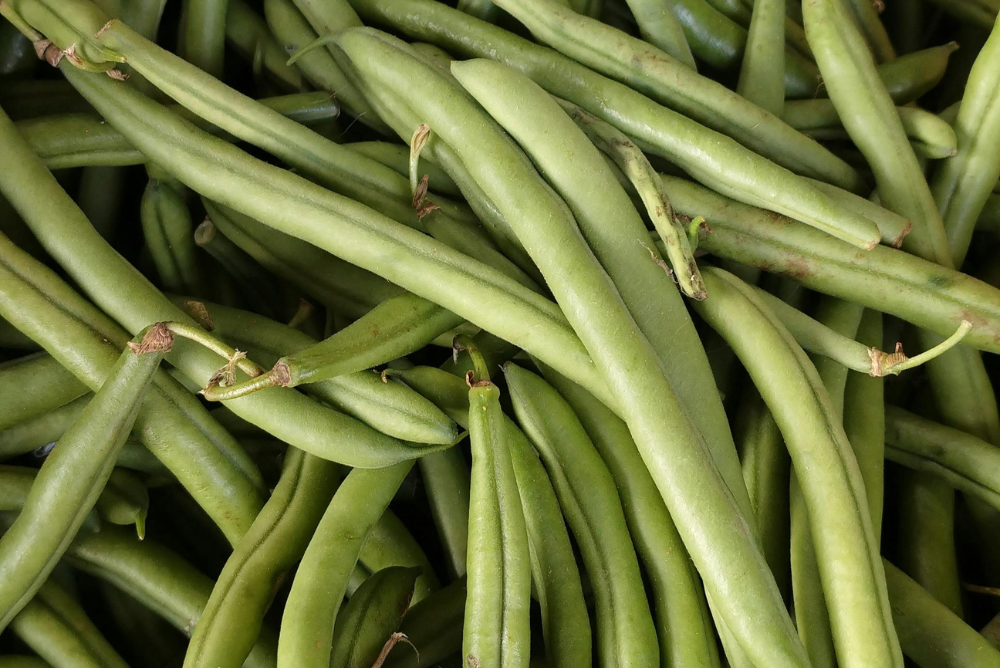
Earth up developing potatoes
Drawing soil up around potato stems helps protect developing tubers from light while also encouraging stronger yields as plants continue to grow.
Support climbing crops
Peas and beans establish more effectively when supports are in place early, allowing them to climb naturally and reducing the risk of damage later in the season.
Manage strawberry plants
Removing excess runners helps redirect energy into flowering and fruit production, rather than spreading growth too widely.
Tip: Keeping crops well-spaced improves airflow and reduces the risk of rot.
General Garden Upkeep
Ventilate covered spaces
As daytime temperatures rise, greenhouses and cold frames can quickly become too warm, so regular ventilation helps maintain stable growing conditions.
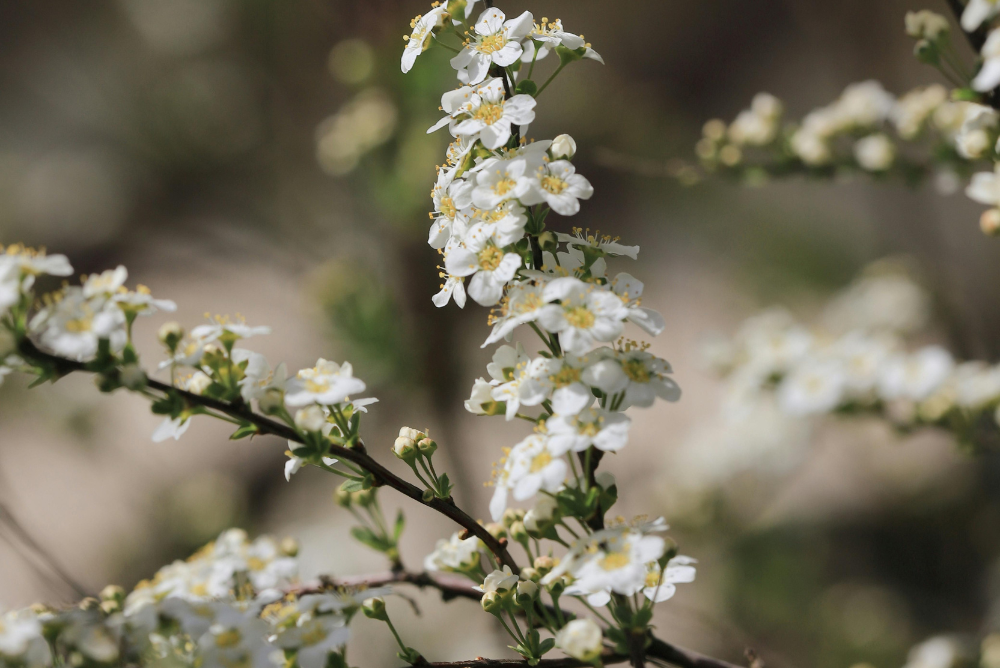
Trim spring-flowering shrubs
Pruning after flowering helps maintain shape while encouraging strong, healthy growth that will carry through into the next season.
Check for wildlife activity
Hedges and dense shrubs may still be supporting nesting birds at this stage, so it’s important to check carefully before carrying out any cutting or trimming.
Staying on top of these key jobs will set any gardener up for a productive, rewarding summer garden.

Parker’s Picks
Empathy After Plant Hydrangeas
Supplied as 1kg Packet
Shop now
Empathy Mini Meadow Wildflower Seed
Supplied as 500ml Packet
Shop now
SeeddeeS Terracotta Pot – Four Leaf Clover Growing Kit
Supplied as Seed Growing Kit
Shop now
Empathy Rootgrow Biofertiliser for Acers
Supplied as 1kg Packet
Shop now
More monthly jobs
Gardening Jobs for April | Gardening Jobs for March | Gardening Jobs for February | View All Gardening Jobs