


 Back
Back
 Free Delivery With Orders Over €60
 Dispatching From County Louth to NI and ROI
 October Gardening Jobs

Gardening Jobs for July
Posted by Tom Steel on 24th Jun 2026
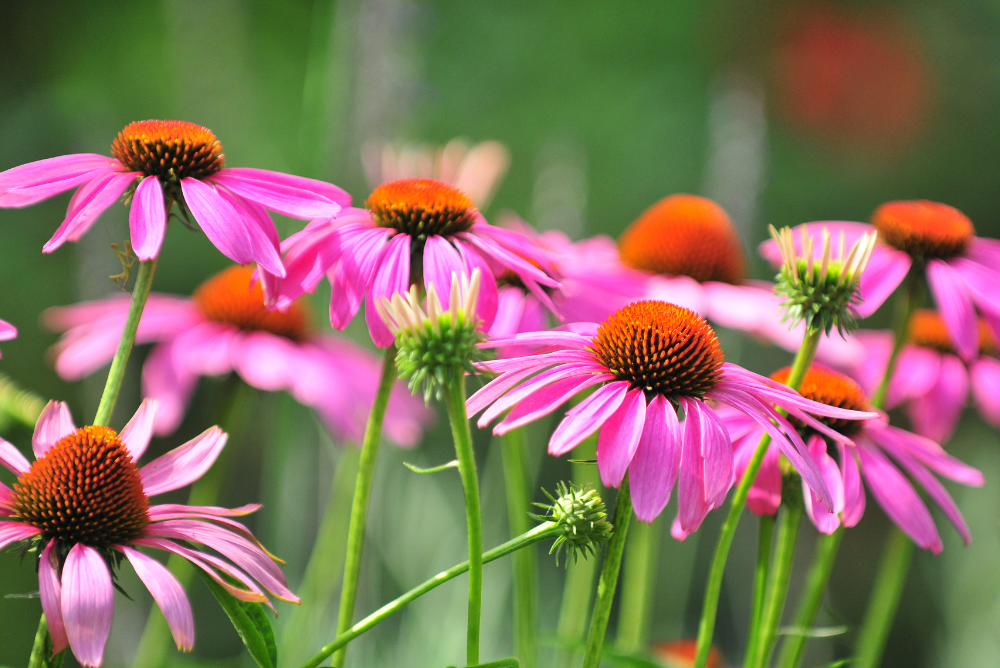
Step outside and straight away you can see how much is going on in the garden. Plants are pushing on with growth, containers need more frequent watering, and fruit and vegetable harvests really signify that summer is in full swing.
But the difference between a good garden and a great one comes down to consistency. By staying on top of the important maintenance jobs this July, we can make the most of this peak flowering period and unlock the true potential of our outdoor spaces.
Planting for colour beyond summer
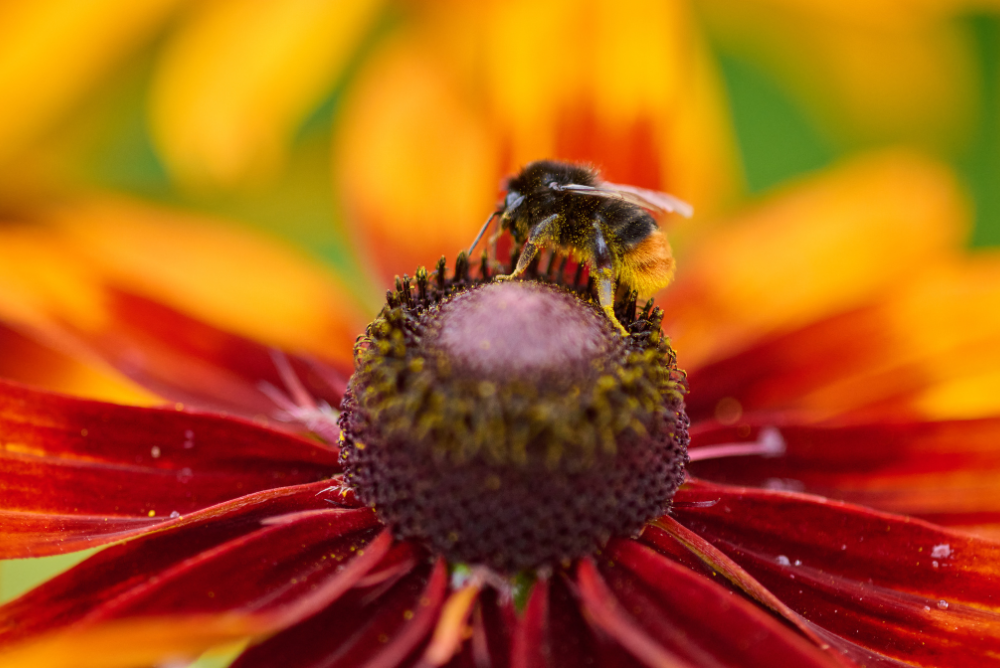
Introduce late-summer flowering perennials
July is a good time to start perennials that will extend colour well into late summer and early autumn. Warm soil helps plants establish quickly, giving them a strong start before conditions begin to cool.
Plants such as Japanese Anemones, Rudbeckia, Echinacea and Helenium provide long-lasting colour and valuable nectar for pollinators later in the season.
Water in well after planting and continue to monitor moisture levels during dry spells.
Tip: Water newly planted perennials deeply at planting time rather than giving frequent light watering - this encourages deeper root development and stronger plants.
Add autumn-flowering bulbs
Bulbs that flower later in the year can be planted now to extend seasonal interest well beyond summer.
Nerines, Colchicums and Autumn Crocus all perform well when planted in sunny, well-drained positions, adding colour when many summer plants begin to fade.
Ensure bulbs are planted at the correct depth and avoid areas prone to winter waterlogging.
Start biennials for next year’s displays
Biennials sown now will establish strong growth before winter and provide reliable flowering next spring and early summer.
Foxgloves, Wallflowers, Sweet Williams and Forget-Me-Nots are all excellent choices for sowing during July.
Sow into trays or prepared beds and thin seedlings carefully to encourage sturdy young plants.
Revitalise containers with seasonal colour
Some early summer containers may begin to lose impact by mid-season. Refreshing displays now keeps patios, entrances and seating areas looking vibrant.
Replace tired bedding with compact Dahlias, Begonias or Osteospermums, and refresh compost where needed to improve performance.
Water newly planted containers regularly until fully established.
Tip: When replanting containers, firm compost in well around the roots to remove air pockets and help plants establish more quickly.
Essential care for flowers, trees & shrubs
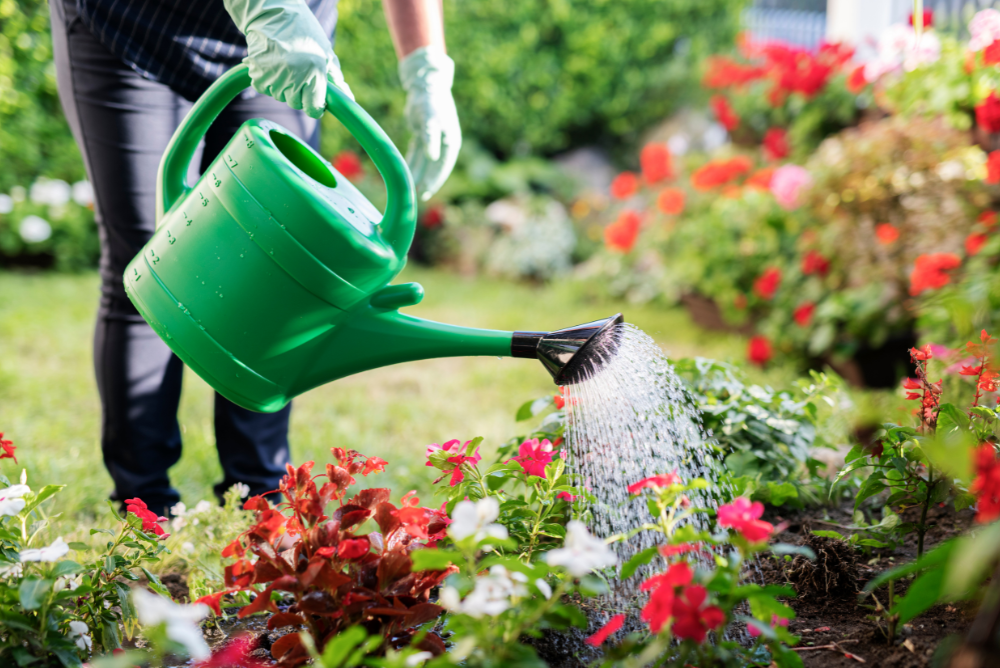
Remove spent blooms
Regular deadheading helps maintain continuous flowering throughout summer by preventing plants from putting energy into seed production.
Roses, Petunias, Sweet Peas and Cosmos all respond well to consistent removal of faded flowers.
Tip: Always deadhead just above a strong leaf node or side shoot to encourage faster repeat flowering.
Boost flowering with summer feeding
By midsummer, many plants benefit from additional nutrients to sustain strong growth and ongoing flowering.
Apply a high-potash feed to containers, baskets and flowering borders to support bloom production and plant health.
Plants in containers may require more frequent feeding due to nutrient loss through watering.
Keep plants hydrated during dry spells
Periods of warm weather can quickly dry out soil and containers, placing stress on plants.
Water thoroughly when needed, ensuring moisture reaches deep into the root zone rather than only the surface.
Early morning or evening watering helps reduce evaporation and improves uptake.
Tip: Water early in the morning where possible, as this reduces evaporation and allows plants to take up moisture before peak heat.
Secure climbers and support tall stems
Strong summer growth can leave climbers and tall perennials vulnerable to wind damage or collapse under their own weight.
Check supports regularly and tie in new growth on plants such as Clematis, Honeysuckle and Climbing Roses.
Provide additional support for tall perennials like Dahlias and Delphiniums as they develop.
Stay ahead of pests and diseases
Warm, settled conditions can encourage increased pest and disease activity.
Inspect plants frequently for early signs of aphids, mildew or black spot, especially on new or soft growth.
Early action helps prevent problems from spreading and reduces the need for more intensive treatment later.
Fruit, vegetable & herb garden jobs
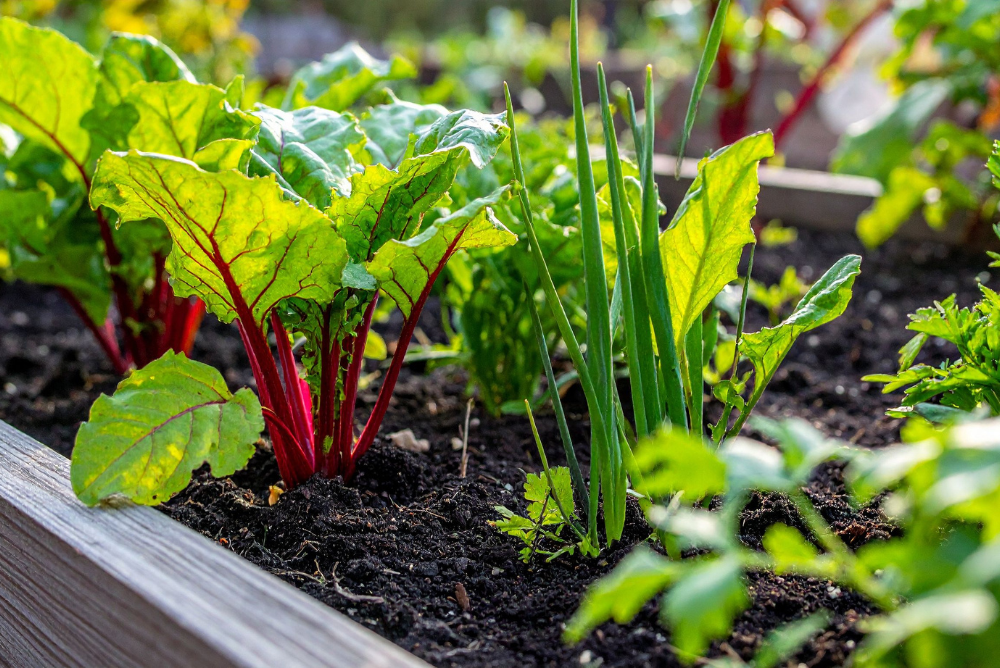
Sow fast-growing crops for later harvests
There is still time to sow quick-maturing vegetables that will provide harvests later in the season.
Lettuces, radishes, beetroots, turnips and spring cabbages all perform well when sown during July.
Successional sowing helps maintain a steady supply of fresh produce.
Gather crops little and often
Regular harvesting keeps plants productive and ensures crops remain tender and full of flavour.
Courgettes, beans, peas and salad leaves should be picked frequently to encourage continued cropping.
Leaving produce too long on the plant can slow future yields.
Tip: Harvest courgettes, beans and peas regularly while young, as this keeps plants producing for longer and improves flavour and texture.
Strengthen support for productive plants
As crops develop, many fruiting and climbing plants require additional support to carry increasing weight.
Check ties and structures on tomatoes, runner beans and similar crops, adjusting them as plants grow.
Good support helps prevent damage and improves overall productivity.
Snip herbs for continued growth
Frequent harvesting keeps herbs productive and prevents them from becoming woody or unbalanced.
Mint, basil, parsley, chives and coriander all benefit from regular cutting throughout summer.
Fresh growth can be used immediately or preserved for later use.
Summer lawn care
Lawns are in active growth during July and benefit from steady but careful maintenance.
Continue mowing regularly, but avoid cutting too short, especially during warm or dry periods. Raising the cutting height helps the lawn retain moisture and stay resilient.
Allowing some areas to grow slightly longer can also support pollinators and improve biodiversity within the garden.
Keeping ponds healthy
Ponds are often at their most active in mid-summer, supporting both plant growth and wildlife activity.
Remove excess blanket weed before it becomes established and thin oxygenating plants if overcrowding occurs.
Top up water levels gradually during dry spells, ideally using collected rainwater where possible.
Check pumps and water features regularly to ensure continued circulation and clarity.
Greenhouse, conservatory & houseplants
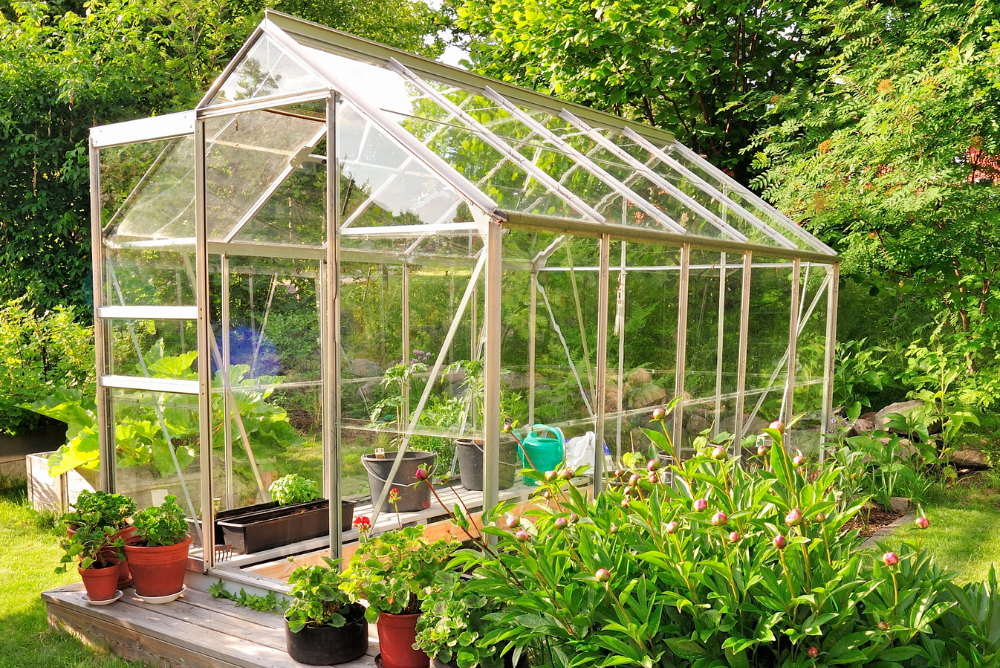
Improve airflow in enclosed spaces
Good ventilation is essential during warm weather to prevent overheating and maintain healthy growing conditions.
Open vents, doors and windows whenever possible to encourage steady airflow.
Improved airflow also helps reduce the risk of fungal problems.
Pinch out tomato side shoots
Indeterminate tomato varieties benefit from regular removal of side shoots to focus energy on fruit production.
Continue tying plants into supports as they grow and monitor trusses as fruit develops.
This helps improve airflow and fruit ripening.
Protect plants from intense sunshine
Strong summer sunlight can cause stress or scorch in both greenhouse and houseplants.
Use shading where necessary to reduce light intensity during the hottest part of the day.
Position sensitive plants away from direct sun exposure when possible.
Tip: Light shading netting is often more effective than full blackout covers, as it reduces heat while still allowing enough light for healthy growth.
Raise humidity where required
Some greenhouse crops and houseplants benefit from slightly higher humidity during warm spells.
Lightly damping down greenhouse floors or grouping plants together can help maintain suitable conditions.
Ensure this is balanced with good ventilation to avoid excess moisture buildup.
NEW IN
Heuchera ‘Eternal Flame’
Supplied as 9 cm Pot Grown Plants
Shop now
Tulip clusiana var. chrysantha
Supplied as 5cm+ Bulbs
Packs of 15, 45 & 150
Shop now
Digitalis purpurea Rose
Supplied as 7 cm Potted Plant
Shop now
Fritillaria imperialis 'Aurora'
Supplied 20-24 cm Bulbs
Packs of 1 & 3
Shop now
More monthly jobs
Gardening Jobs for May| Gardening Jobs for April| Gardening Jobs for March| Gardening Jobs for February| Gardening Jobs for January| View All Gardening Jobs