


 Back
Back
 Free Delivery With Orders Over €60
 Dispatching From County Louth to NI and ROI
 September Gardening Jobs
Gardening Jobs for August
Posted by Tom Steel on 30th Jul 2026
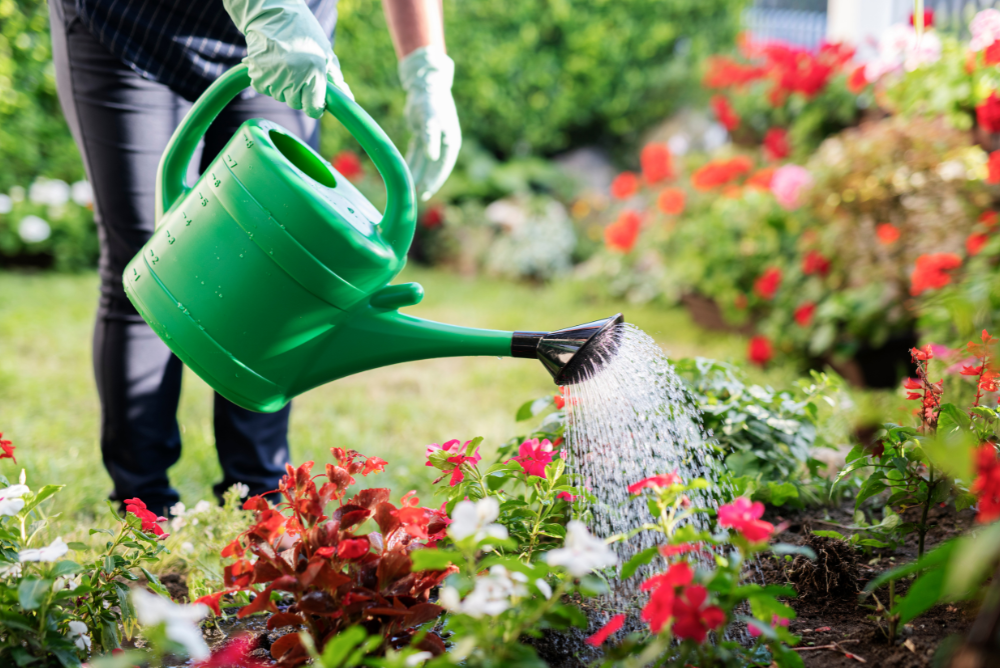
August is the time to focus on maintaining what is already growing while preparing the garden for the months ahead. A few well-timed actions now can help keep the garden productive and looking its best.
Here are the essential gardening jobs to tackle this month, covering plant care, seasonal crops and autumn preparation.
Garden maintenance in August
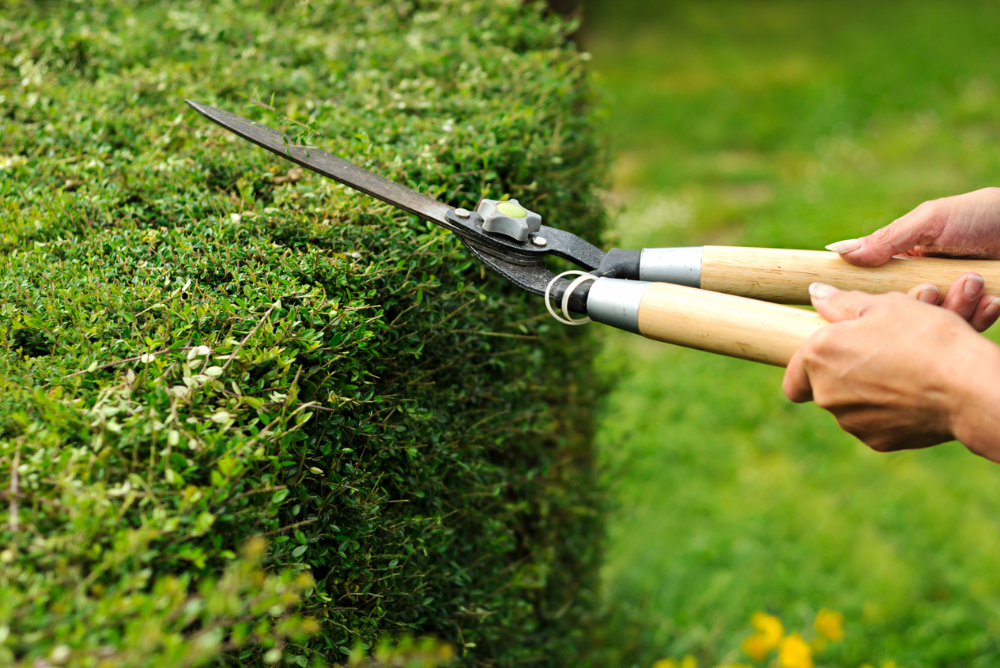
Keep plants watered
Even as we continue moving quickly through summer, plants can still suffer from the dry conditions, especially those growing in containers or recently planted borders. We should be watering deeply when needed rather than little and often, focusing on the base of plants instead of the foliage. Try to water early in the morning or later in the evening to reduce moisture loss.
Newly planted trees, shrubs and perennials will benefit most from regular attention, as their root systems may not yet be fully established.
Tip: When watering, aim to soak the soil around the roots rather than lightly wetting the surface. This encourages plants to develop deeper root systems, helping them cope better with periods of dry weather.
Trim hedges
August is a good time to give many hedges a final trim before growth slows later in the year. Removing this season’s soft growth helps maintain a neat shape while giving plants time to recover before the colder weather arrives.
Before cutting, always check carefully for any nesting birds and avoid disturbing active nests.
Tip: When trimming, aim to keep the base slightly wider than the top. This allows sunlight to reach lower growth and helps prevent bare patches developing over time.
Support tall perennials
Many tall flowering plants are reaching their full height at this time of year and may need extra support to prevent stems from bending or breaking. Use discreet supports or ties to keep plants upright while allowing them to continue growing naturally.
This is particularly useful for taller varieties such as Dahlias, Rudbeckias and Delphiniums, which can become vulnerable in unsettled weather.
Refresh summer containers
By August, many container plants have been growing for several months and may begin to look past their best. Remove faded leaves, trim back leggy stems and provide a suitable feed to encourage continued flowering.
Replacing the surface layer of compost can also help refresh containers without disturbing established plants.
Preparing for autumn
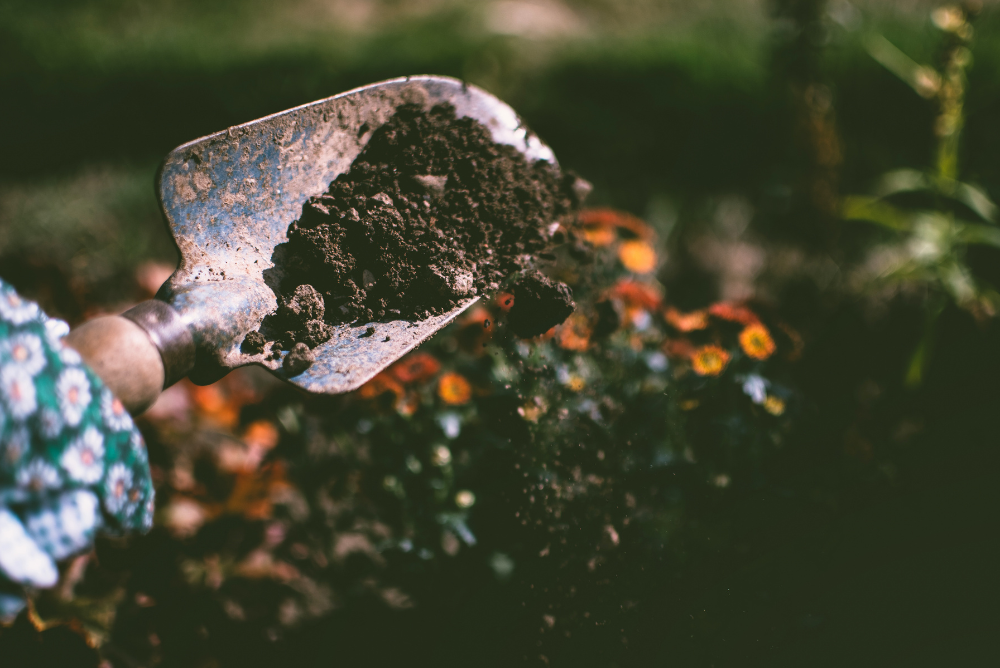
Make compost
Late summer often produces plenty of material for the compost heap, from grass clippings and spent plants to vegetable trimmings. Adding a mixture of green and brown materials helps create a balanced compost mix that breaks down effectively.
Turning existing compost regularly will also improve airflow and encourage decomposition.
Tip: Balance green and brown materials. Combine softer green materials, such as grass clippings and fresh plant matter, with drier brown materials like twigs, cardboard or shredded leaves to maintain the right conditions for healthy composting.
Mulch borders
Adding a layer of organic mulch around plants now can help conserve moisture, suppress weeds and improve soil structure over time. Well-rotted compost or leaf mould can be spread around established plants, helping protect the soil as conditions begin to change.
Tip: Leave a small gap around the base of plants when applying mulch. Material sitting directly against stems can trap moisture and increase the risk of rot.
Plan spring bulbs
Although many spring bulbs are planted later in the year, August is a useful time to start planning where they will go. Consider areas that need more seasonal interest and think about combinations that will provide colour throughout spring.
Preparing planting areas now can make autumn planting much easier when the time comes.
Harvesting and growing
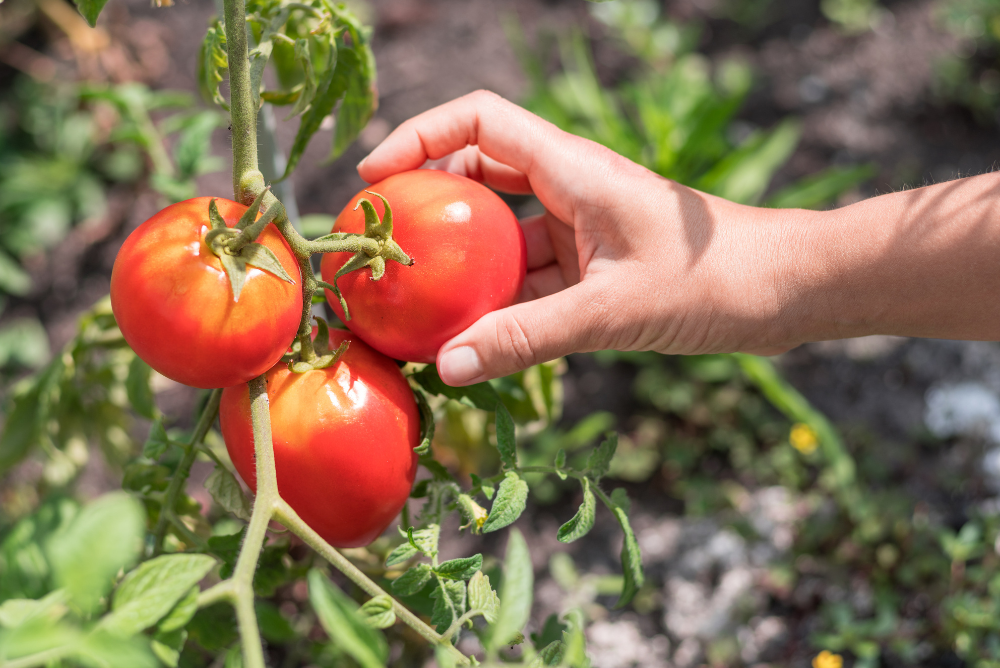
Keep harvesting vegetables
Regular harvesting is one of the most important jobs in the productive garden during August. Picking crops such as beans, courgettes and tomatoes as they mature encourages plants to continue producing while preventing crops from becoming overgrown or past their best.
Check plants frequently, as harvests can change quickly at this time of year.
Sow winter crops
Late summer is a useful time to sow crops that will provide harvests later in the year or early next spring. Winter salads, hardy greens and overwintering vegetables can be started now, giving plants time to develop before conditions become cooler.
Sowing little and often helps maintain a steady supply rather than creating a large harvest all at once.
Tip: Prepare the soil before sowing. Clear away previous crops and remove weeds to give young plants the best possible start.
Save seeds for next year
August is a great time to collect seeds from plants that have performed particularly well. Wait until seed heads have fully matured, then collect them on a dry day and store them somewhere cool and dry.
Saving seed allows you to grow more of your favourite varieties while preserving plants that have proven successful in your own garden.
Parker’s Picks
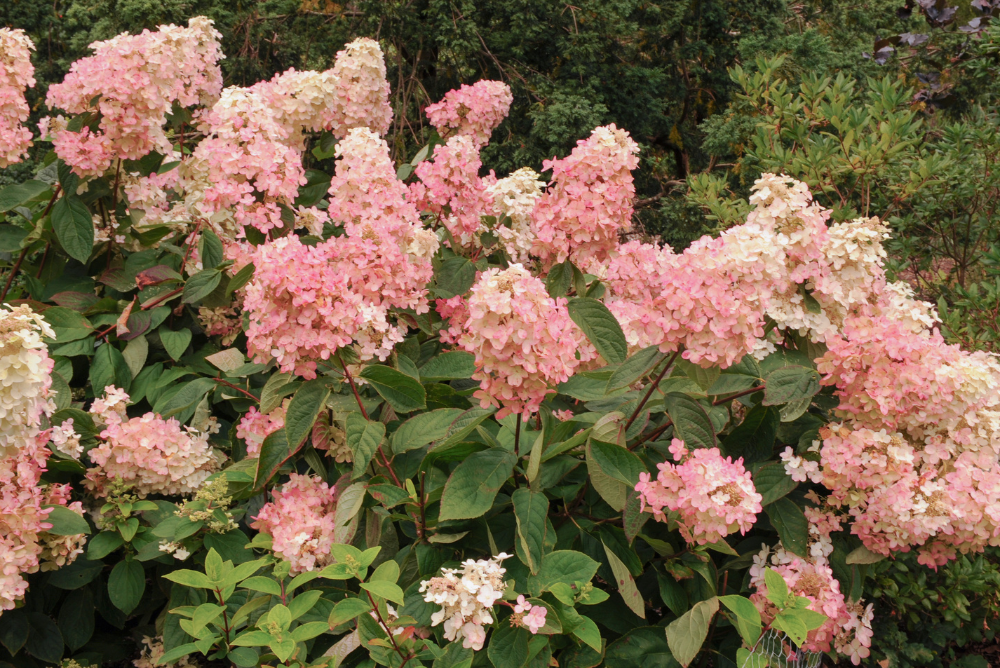
Hydrangea pan. Vanille-Fraise
Supplied as 9cm Pot Grown Plants
Packs of 1, 2, 3 & 6
Shop now
Salvia nemorosa 'Schneehügel'
Supplied as 9cm Pot Grown Plants
Packs of 1, 2, 3 & 6
Shop now
Lavender ‘Munstead’
Supplied as 7cm Pot Grown Plants
Packs of 1, 2, 3 & 6
Shop now
Rose Golden Gate
Supplied as 2 Litre Pot Grown Plants
Packs of 1 & 2
Shop now
More monthly jobs
Gardening Jobs for July| Gardening Jobs for June| Gardening Jobs for May| Gardening Jobs for April| Gardening Jobs for March| Gardening Jobs for February| Gardening Jobs for January| View All Gardening Jobs