


 Back
Back
 Free Delivery With Orders Over €60
 Dispatching From County Louth to NI and ROI
 August Gardening Jobs
Gardening Jobs for February
Posted by Tom Steel on 22nd Jan 2026

February in the garden is a month of judgement calls. The light is improving, buds are beginning to swell, and yet, the ground can still be cold and unforgiving. It’s a time for careful preparation - not rushing, but not standing still either. The jobs you tackle now will quietly shape how smoothly the growing season unfolds.
Let’s get started.
Finish winter pruning while plants are dormant
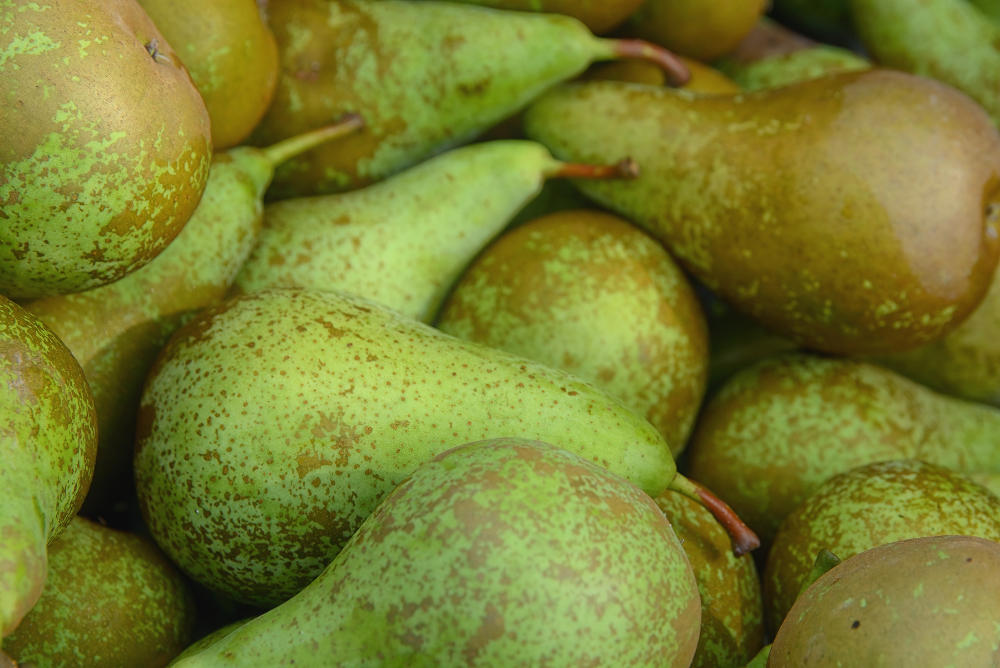
Many fruit trees, bushes and climbing plants benefit from winter pruning, and February is your final opportunity before spring growth begins in earnest. Apples, pears, currants and gooseberries can be pruned to remove dead, damaged or congested growth, improving airflow and encouraging strong, productive shoots later in the year.
Avoid pruning if severe frost is forecast, and aim for clean, deliberate cuts using sharp, disinfected tools - a small step that greatly reduces the risk of disease as sap begins to rise.
Bush and shrub roses should also be pruned this month, cutting back to an outward-facing bud to encourage an open, well-shaped plant. Removing old, weak or crossing stems now helps reduce disease pressure and supports better flowering later in the year.
Late-flowering ornamental grasses and herbaceous perennials can be cut back before new growth emerges, clearing space for fresh shoots and keeping borders tidy as spring approaches.
Prepare the soil - carefully

Even if planting is still a few weeks away, soil preparation is one of the most valuable tasks you can do this month. On workable days, incorporate well-rotted compost or organic matter into beds that aren’t waterlogged or frozen. This helps improve soil structure, boosts fertility, and gives beneficial organisms time to get to work before spring planting begins.
Resist the temptation to dig heavy soils when they’re wet, as this can lead to long-term compaction. Where conditions aren’t suitable for digging, a surface mulch applied now will still protect soil, suppress early weeds, and gradually improve texture over time.
Where soil has already been prepared, covering beds with fleece or cloches can help warm the ground slightly and protect it from excessive rainfall, making conditions more favourable when planting time arrives.
Early sowing - a head start, not a rush

February allows for early sowing, but success depends on protection and patience. Seeds such as tomatoes, aubergines and peppers should be sown under cover, ideally in a greenhouse or on a bright windowsill where steady warmth can be maintained.
Hardier crops like peas and broad beans can be started under cover or sown outdoors later in the month if the soil is workable and conditions are mild. Seed potatoes should be brought into the light to chit, producing short, sturdy shoots ready for planting in early spring.
Hardy annual flowers such as Sweet Peas, Calendula and Delphiniums can also be sown under cover now, producing sturdier plants that will be ready to harden off once conditions improve.
The key is to avoid forcing growth too quickly - steady development now results in stronger plants later.
Plant bare-root trees, shrubs and fruit
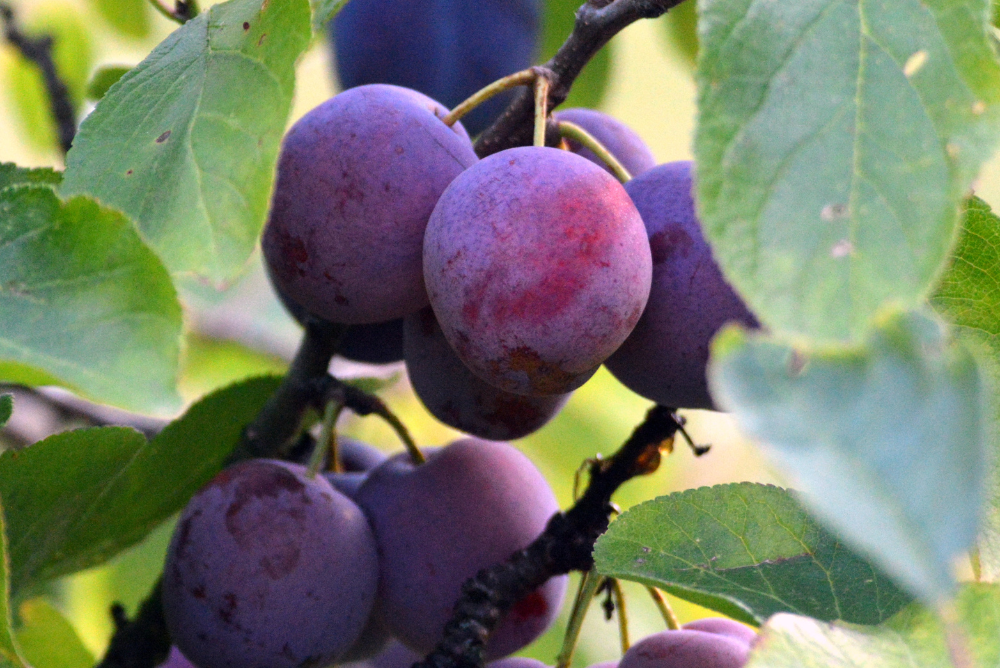
February is an excellent month for planting bare-root trees, hedging and fruit bushes while plants are still dormant. Cooler temperatures and natural rainfall help roots establish without the stress of active top growth.
Choose a frost-free day, prepare the planting hole carefully, and water in well even if the soil feels damp. A mulch around newly planted stock will help retain moisture and protect young roots as conditions fluctuate.
Tidy, weed and reset garden spaces

Winter weeds are far easier to deal with now than later in the season. Clearing beds and borders in February prevents competition when new growth begins and makes spring planting simpler and more satisfying.
This is also a good time to brush moss and algae from paths and patios, improving safety and appearance. Lawn care remains minimal, but on mild, dry days, a light mow on a high setting can help keep grass tidy. It’s best to avoid walking on frosty lawns to prevent long-term damage.
Greenhouse, containers and indoor plants

As light levels increase, overwintered plants begin to stir. Gradually increase watering and ventilation in greenhouses and conservatories, particularly on mild days, to reduce damp and discourage fungal problems.
February often brings sharp temperature swings under glass, so opening vents on bright days and closing them early in the afternoon helps prevent condensation and sudden chills. This is also a good moment to check overwintering plants for early signs of pests such as aphids, dealing with problems before growth accelerates.
Houseplants and tender perennials may benefit from repotting into fresh compost, while trays and pots can be cleaned and organised ahead of the busy sowing season. Small jobs done now make spring far less hectic.
Support garden wildlife
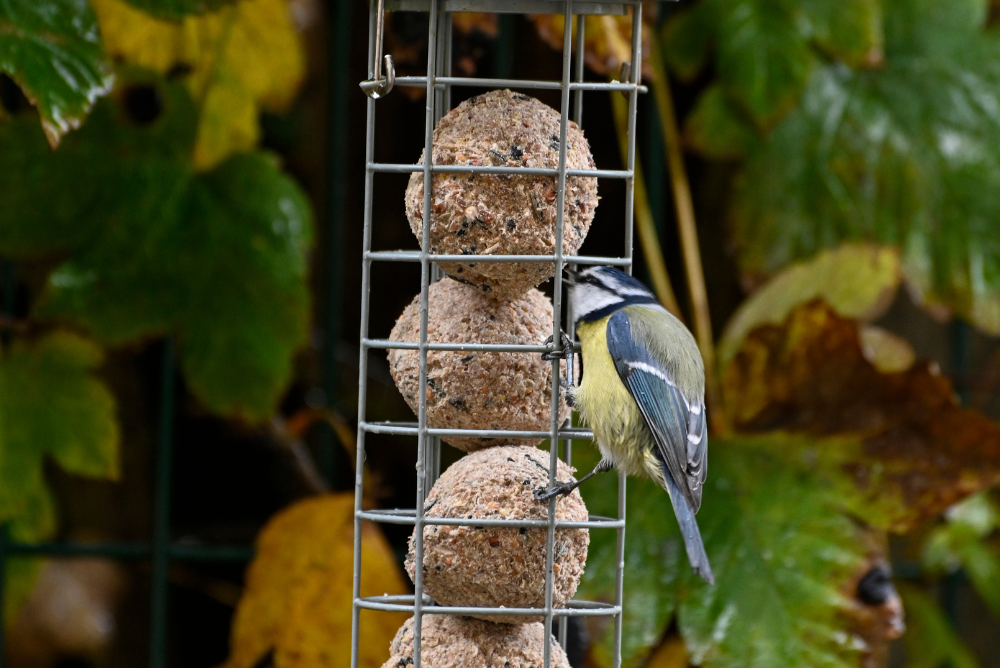
Natural food sources are still limited at this time of year, making continued bird feeding particularly valuable. Keep feeders clean, provide fresh water where possible, and check ponds regularly to ensure wildlife can drink safely during cold spells. These small actions help maintain a healthy garden ecosystem as spring approaches.
Plan the season ahead
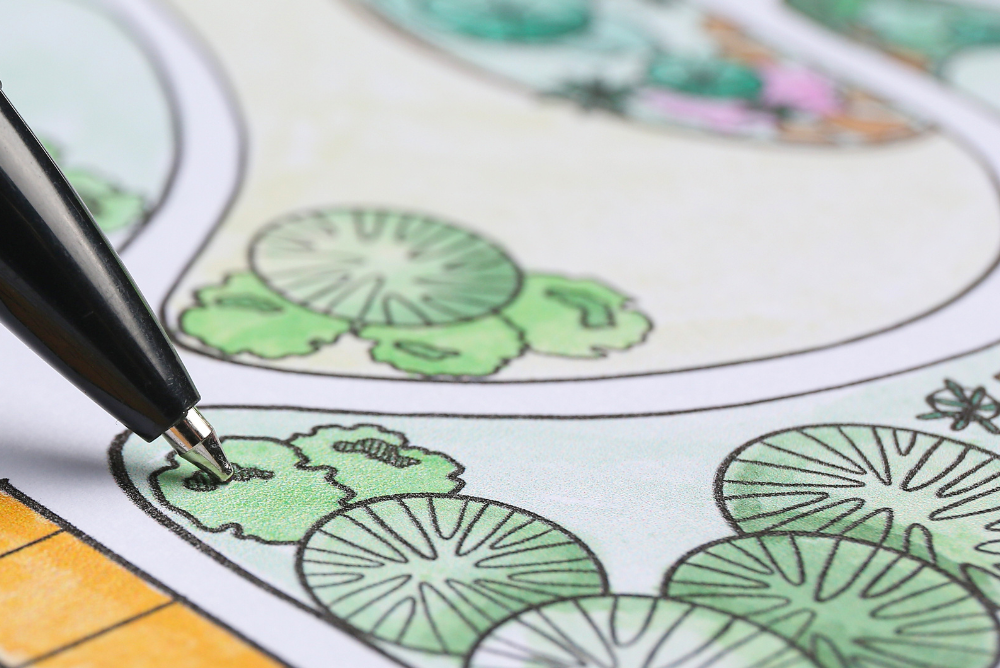
February is one of the best months for planning - before spring urgency takes over. Sketch out where crops and flowers will be grown, taking crop rotation into account, and think about succession sowing to extend harvests later in the year.
It’s also a good time to check seed supplies, order varieties early, and review what worked well last season. A little forethought now often makes the difference between a garden that feels rushed and one that feels rewarding.
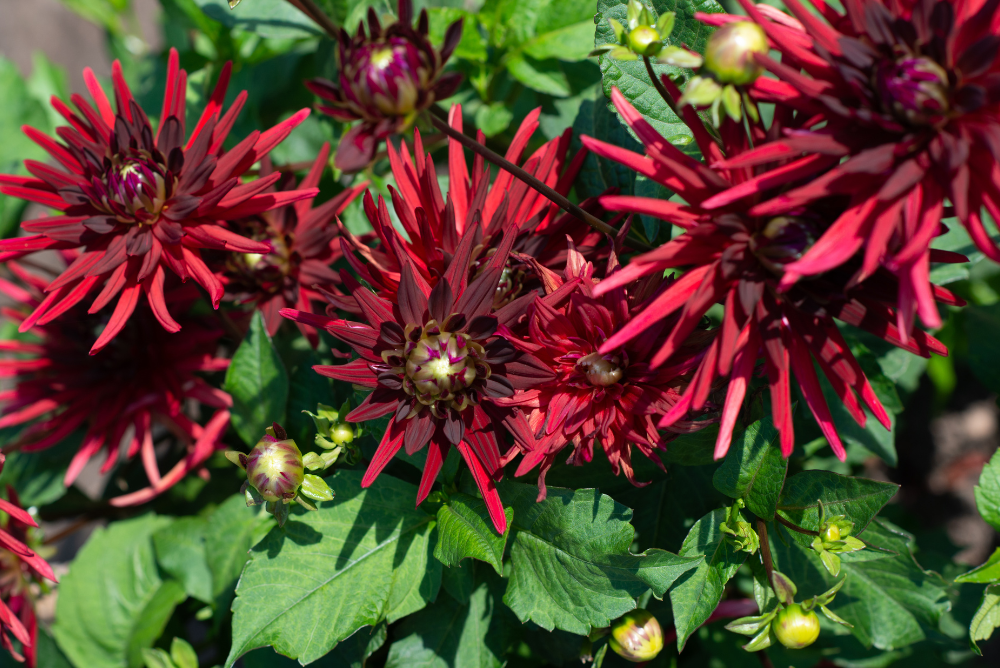
February may still carry winter’s chill, but it’s full of quiet progress. Each task completed now - from improving soil to starting seeds - builds momentum toward spring. Work with the conditions, stay flexible, and let the garden set the pace. The rewards will soon follow.
Parker’s Picks
If you’re planning ahead for the season, these varieties are well worth considering.
Echinacea ‘Green Twister’
Supplied as 7cm Potted Plant
Shop Now
Dahlia Nuit d’Été’
Supplied as Top-Grade Tubers
Shop Now
Prunus ‘Imperial Gage’
Supplied as 120-150cm Two-Year Old Trees
Shop Now
Rose Blue Moon
Supplied as 120-150cm Two-Year Old Trees
Shop Now