


 Back
Back
 Free Delivery With Orders Over €60
 Dispatching From County Louth to NI and ROI
 August Gardening Jobs
Gardening Jobs for June
Posted by Tom Steel on 29th May 2026
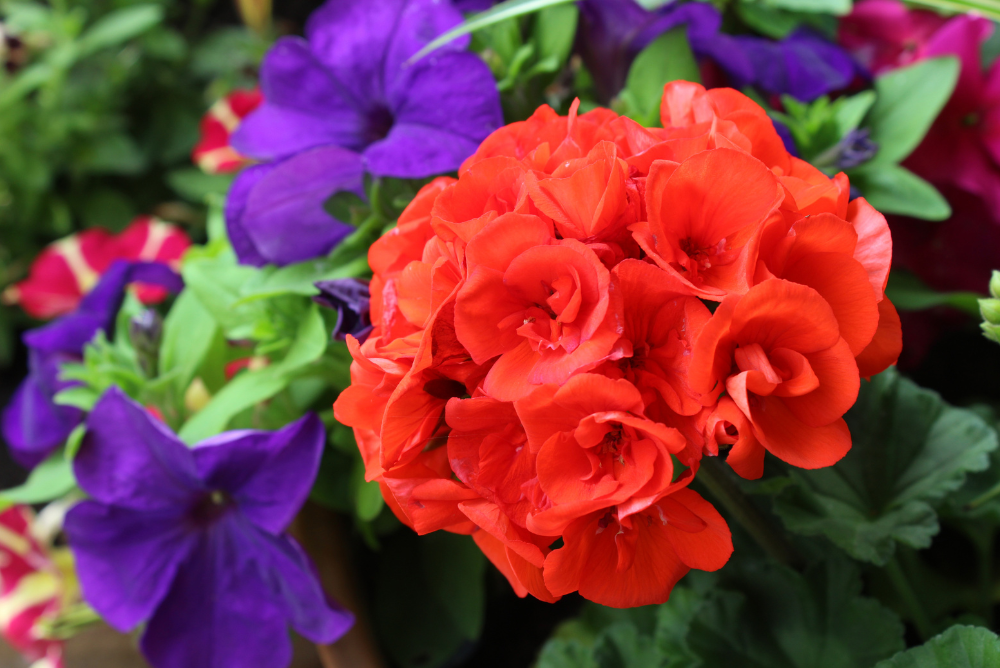
Early summer may look calm from a distance - but step outside and it’s a different story. Growth is accelerating, containers are drying out faster, and the garden is beginning to demand more attention.
As we move into June, staying on top of a few simple jobs now will keep everything looking its best throughout the summer.
Best Jobs for Flowers
Plant out summer bedding
With June marking the start of summer, most tender bedding plants can now be moved outside, as the main risk of frost has passed. It’s as good a time as any to fill borders, containers and hanging baskets with colour for the months ahead.
Before planting out, make sure young plants have been hardened off gradually to avoid shock from cooler nights or windy conditions. A little protection early on pays off, especially in exposed gardens where temperatures can still dip.
Classic choices like Petunias, Begonias, Cosmos and Dahlias will all thrive once settled, providing reliable colour right through summer.
Water containers and baskets regularly
Containers and hanging baskets grow well at this time of year, but they can dry out surprisingly quickly - especially in windy or sunny spells.
It’s far better to water deeply and thoroughly every few days than to give light, frequent watering that doesn’t reach the roots properly. Established plants respond much better to a good soak followed by a drying-out period.
Adding a layer of mulch to larger containers can also help retain moisture and reduce how often watering is needed during warmer spells.
Tip: Water baskets and containers early in the morning - plants absorb moisture more effectively before the heat and wind increase later in the day.
Deadhead bedding and perennials
Regular deadheading is one of the simplest ways to keep summer displays looking fresh for longer.
Removing faded flowers from plants such as Petunias, Geraniums, Roses and Sweet Peas encourages the plant to put its energy into producing more blooms rather than setting seed.
Even a quick weekly tidy around borders and containers can make a noticeable difference to overall performance as the season progresses.
Stake tall perennials early
Many early summer perennials will be putting on strong growth now, and it’s much easier to support them early rather than trying to rescue them after they’ve flopped.
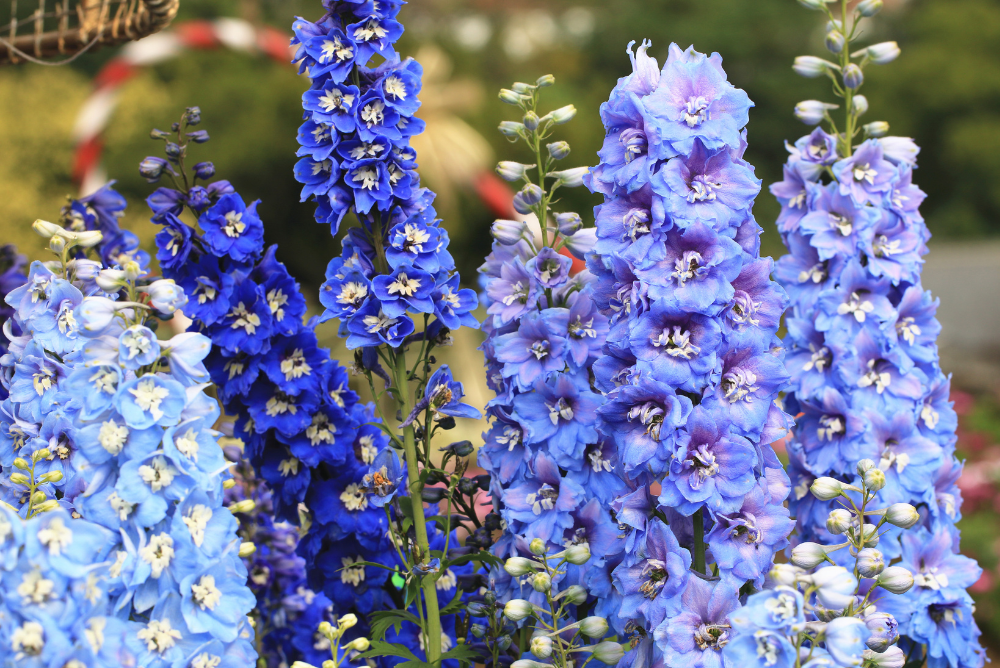
Plants such as Delphiniums, Lupins, Peonies and Dahlias can quickly become top-heavy once they begin to flower, particularly after periods of rain or wind.
Placing supports early allows plants to grow naturally through them, creating a much neater and more stable display later on.
Feed for continuous flowering
As plants move into peak growth, frequent feeding keeps displays going strong for the rest of the summer.
Liquid feeds applied to baskets, containers and bedding plants will encourage more flowers and healthier foliage, especially on fast-growing summer varieties.
Plants in pots tend to exhaust nutrients quickly, so a consistent feeding routine can make a real difference to overall performance and flowering longevity.
Essential Care for Trees & Shrubs
Tie in and support climbers
Climbing plants grow quickly and should be checked regularly to ensure they are properly secured.
Clematis, Climbing Roses and Honeysuckle all benefit from being gently tied into supports as they develop, helping to prevent wind damage and keep growth well-directed.
After periods of windy weather, it’s worth checking ties and supports to make sure nothing has come loose.
Tip: Soft garden twine or flexible ties are usually best for climbers and young shrubs, as stems can thicken surprisingly quickly in early summer.
Prune spring-flowering shrubs
Once spring-flowering shrubs have finished blooming, they can be lightly pruned to maintain shape and encourage healthy new growth.
This is usually a simple tidy rather than a hard prune - removing spent flower heads and lightly shaping the plant is often enough.
Avoid cutting into new growth too heavily, as this can reduce flowering potential for next year.
Check tree stakes and ties
As trees and shrubs grow through spring and early summer, stakes and ties can sometimes become too tight or shift out of position.
It’s a good idea to check them regularly to ensure they are still providing support without rubbing or restricting growth. Adjusting ties early helps prevent damage and ensures the plant develops a strong, natural structure.
Be sure to continue watering newly planted trees and shrubs during dry spells.
Trim hedges carefully (check nesting activity)
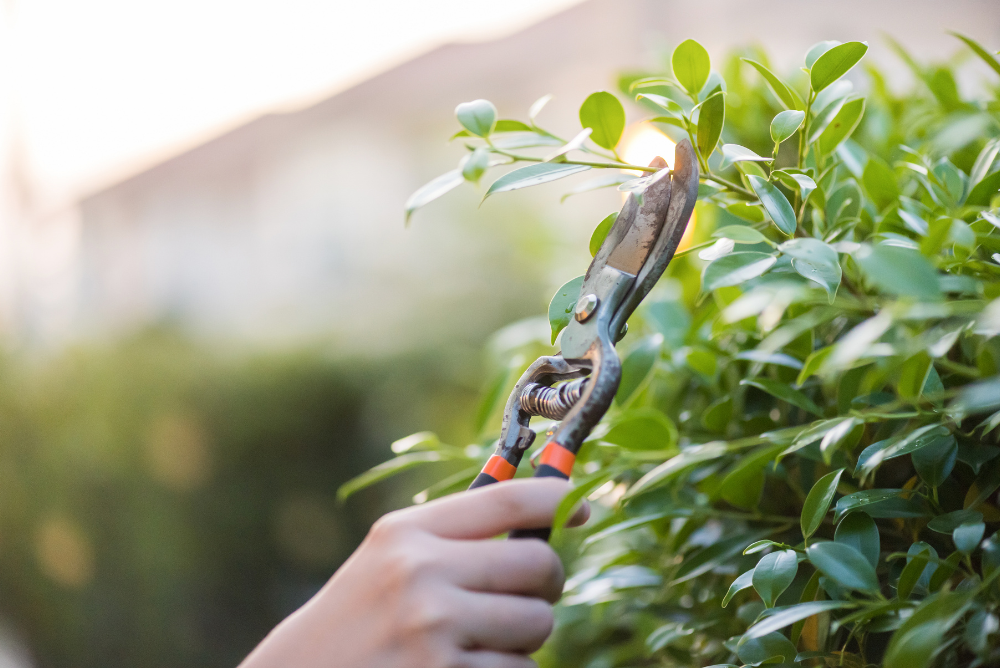
Light hedge trimming can continue where needed, but it’s important to check carefully for any nesting birds before carrying out work.
Where trimming is appropriate, keep it light and tidy rather than cutting back hard, as this helps maintain structure without stressing the plant during active growth.
Steady, Sensible Lawn Mowing
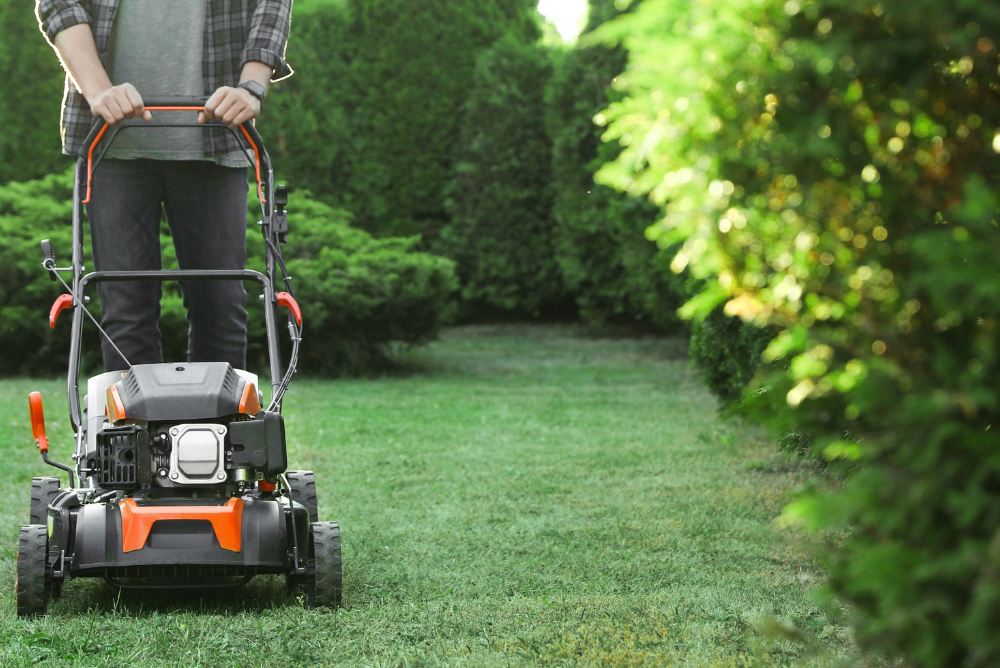
Lawns are now in active growth, so regular mowing will keep them tidy and healthy. It’s best to mow little and often rather than letting the grass get too long between cuts.
Raise mower height during dry or warm spells to avoid stressing the lawn and reduce the risk of scorching. Cutting too short in these conditions can do more harm than good.
Where possible, leave some areas slightly longer to support pollinators and improve biodiversity.
Keeping Ponds Clear and Balanced
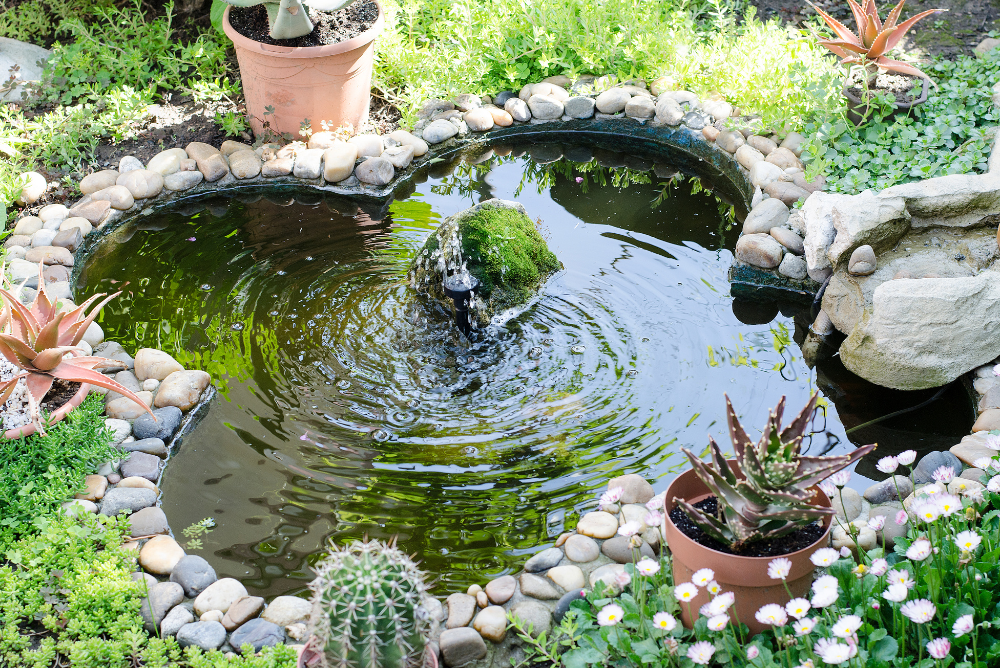
Ponds will be thriving throughout June, with increased plant and wildlife activity. Therefore, it’s important that we do what we can to keep ponds clear and healthy.
Remove excess blanket weed and thin oxygenating plants if they become overcrowded.
Top up water levels gradually during dry spells, ideally using rainwater, to maintain balance.
Check smaller water features and containers for stagnant water where mosquitoes may breed.
Tip: Removing blanket weed by hand little and often is usually more effective than allowing it to build up heavily through the month.
Check and Maintain Garden Structures
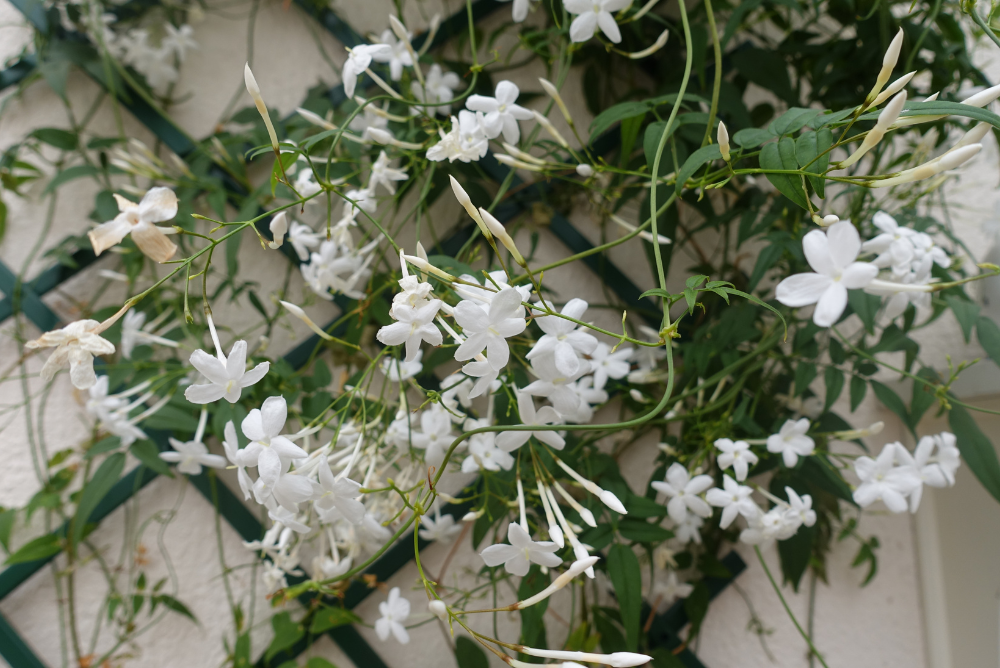
With strong growth through early summer, it’s a good time to check that garden structures are still secure.
Inspect trellises, arches and pergolas to ensure climbers are supported and adjust any loose ties.
Fences, sheds and wooden features may benefit from light maintenance in settled weather.
Clean paths and patios as surrounding growth begins to spread.
Tip: Early summer is often one of the best times for outdoor wood treatments, as surfaces are typically drier and temperatures are more reliable.
Greenhouse, Conservatory & Houseplants
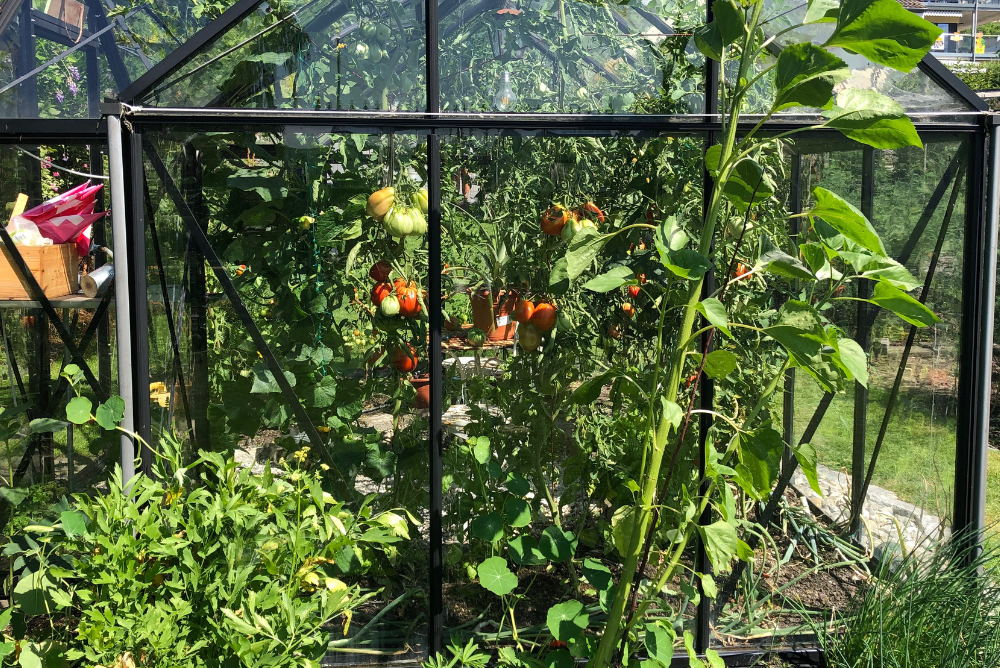
Greenhouses can heat up quickly in June, so ventilation is essential. Open doors and vents during the day to maintain airflow.
Keep watering consistent, as irregular moisture can affect growth, particularly in tomatoes and cucumbers. Tomatoes need frequent attention, including removing side shoots and feeding as trusses develop.
Ensure plants are well-spaced to improve airflow and reduce the risk of pests and disease. It’s best to continue hardening off young plants before moving them outside.
Tip: Damp floors or staging can help raise humidity slightly inside greenhouses during hotter spells without overwatering plants.
NEW IN THIS MONTH
Better Plants Root Booster
Supplied as 1 Litre
Shop now
Better Plants Liquid Seaweed
Supplied as 1 Litre
Shop now
Bug & Bee Home
Shop now
SmartBag 150L
Shop now
More monthly jobs
Gardening Jobs for May| Gardening Jobs for April| Gardening Jobs for March| Gardening Jobs for February| Gardening Jobs for January| View All Gardening Jobs